A Long Way Home (2018)
PROTAGONISTS
«In A Long Way Home, the connecting element and main theme of the artistic works of the protagonists Wen Hui, Pi San, Ye Fu and the Gao Brothers is a demand for the reconstruction of humanity throughout Chinese society. Looking back at their personal family histories, and thus recent Chinese history, takes on greater significance within the backdrop of their unease toward present-day Chinese society. Actively remembering is an important part of their work as they try to fathom the roots of present-day problems. Like researchers, they explore the possibilities of collective healing in their work. Luc Schaedler» Luc Schaedler
WEN HUI
Choreographer | Dancer
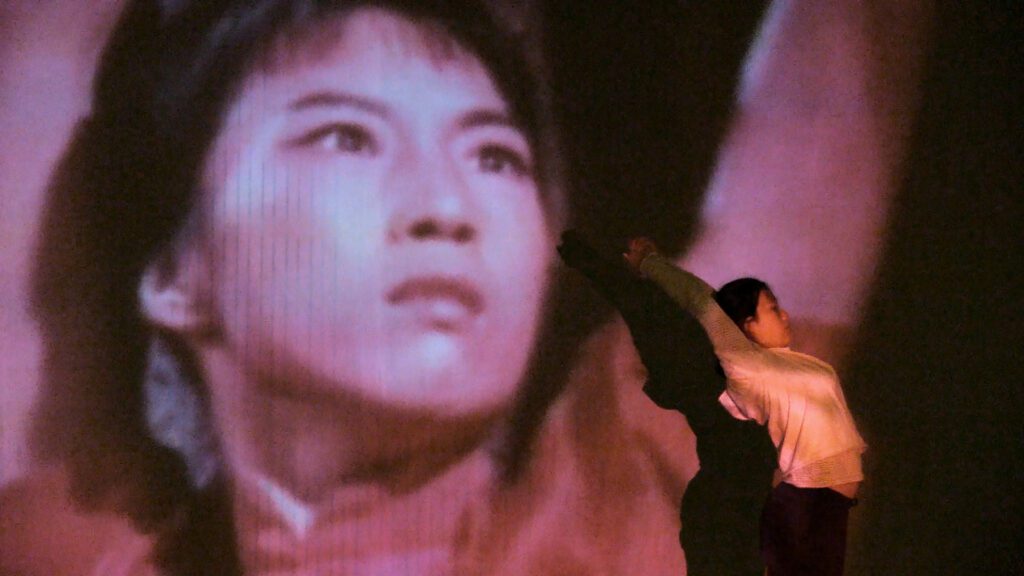
In China, Wen Hui is considered the mother of modern dance. For years she has explored the topic of memory. In her current piece «Red», based on the propagandist ballet of the same name from the Cultural Revolution (1966-76), she processes the physical impact of this traumatic era.
PI SAN
Animation artist
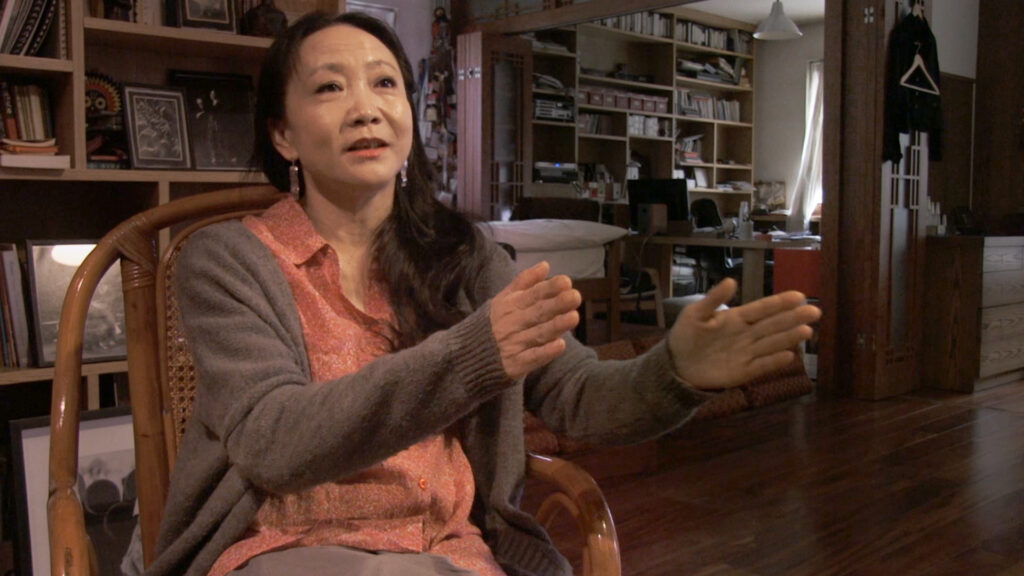
Pi San is known to millions in China for his subversive animated film series, which have caused a sensation on the Internet. Through his mischievous cartoon character «Kuang Kuang» he exposes the injustices and absurdities of everyday life in China. In doing so he must constantly gauge how far he can go with his criticism.
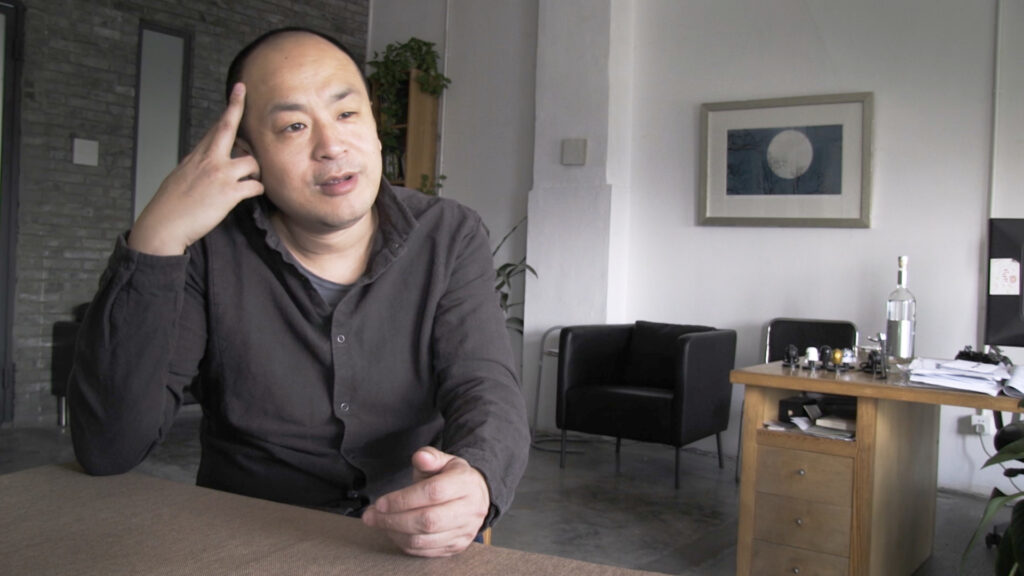
YE FU
Writer | Poet
The former police officer, who resigned in 1989 in protest against the suppression of the Democracy Movement, has made a name for himself in recent years with his autobiographical essays and blog articles which loudly demand political change.
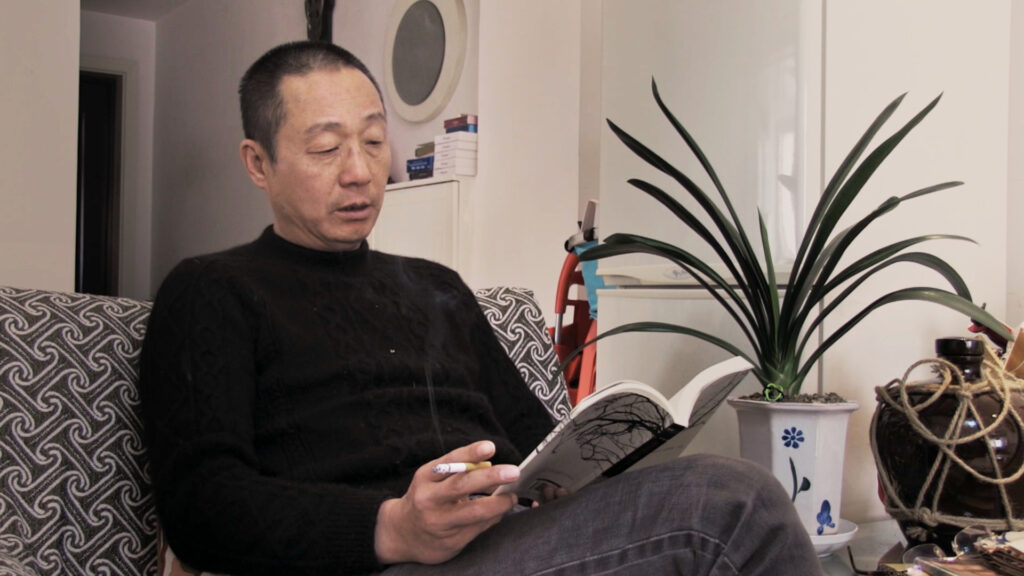
GAO BROTHERS
Visual artists
Gao Zhen and Gao Qiang, known internationally as the Gao Brothers, have been around since the birth of the modern Chinese art scene in 1985. They belong to the group of critical avant-garde artists whose work reflects the complexity of recent Chinese history and the «human condition» in a globalised world.
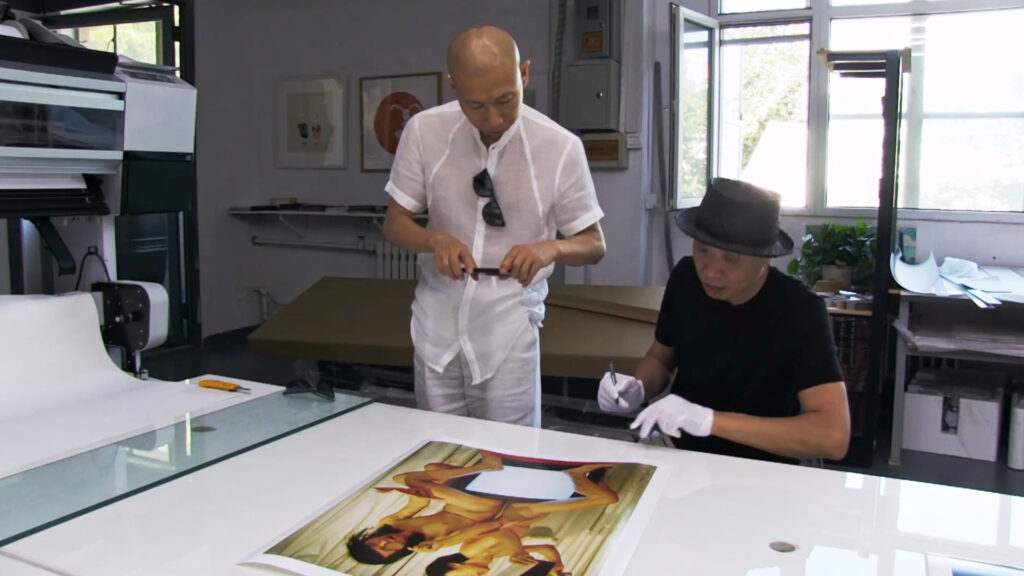
HISTORICAL BACKGROUND
«The struggle of man against power is the struggle of memory against forgetting.»
Milan Kundera
The Heart of Darkness
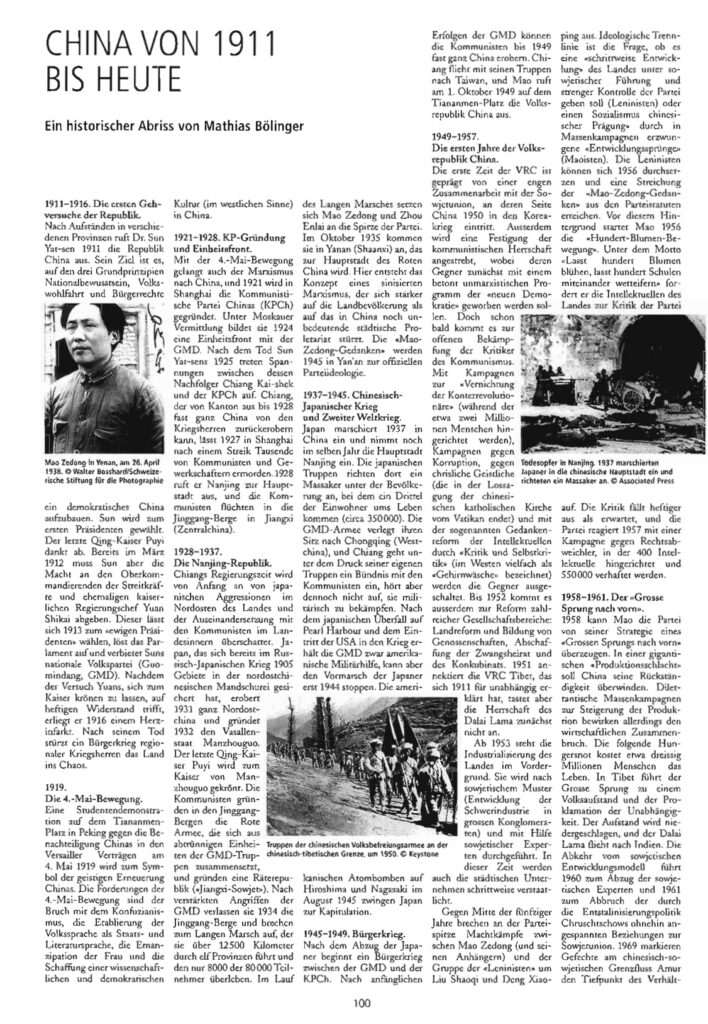
The historical background of A Long Way Home is made up of two defining phases in recent Chinese history: the Democracy Movement of 1989 and the Cultural Revolution of 1966-1976. Beginning with present-day China, «A Long Way Home» moves deeper into the «heart of darkness» of Chinese history. The focus is on how people handle historical and biographical ruptures and how they process traumatic experiences.
Cultural Revolution (1966-76)
During the Cultural Revolution (1966-76), systematic violence was employed to eliminate everything private and to destroy social relationships. Mao Zedong and the Party relied on betrayal, public humiliation, self-incrimination, and re-education in everyday life. Mistrust and deep insecurity continue to shape relationships among people in China today.
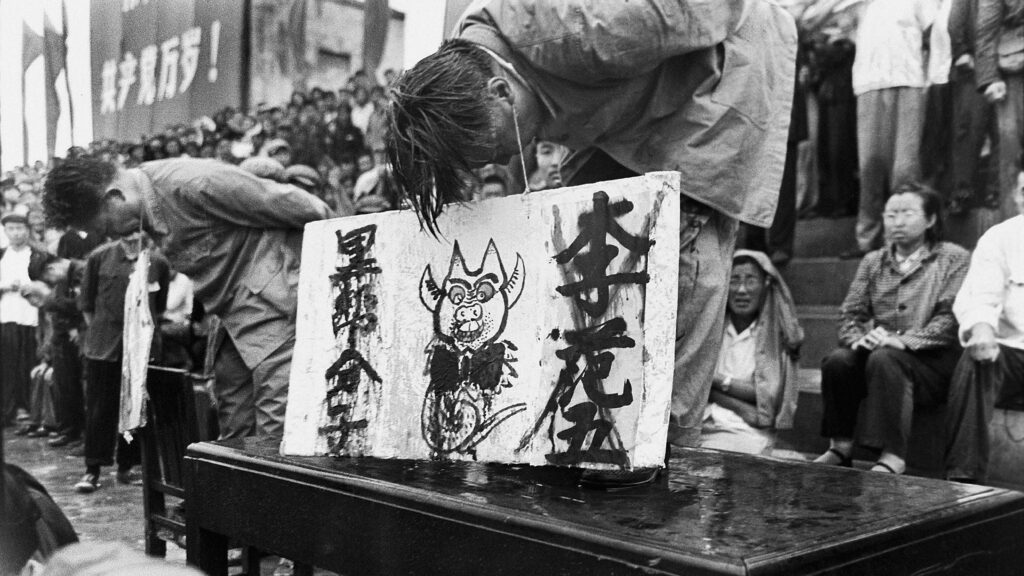
Democracy Movement (1989)
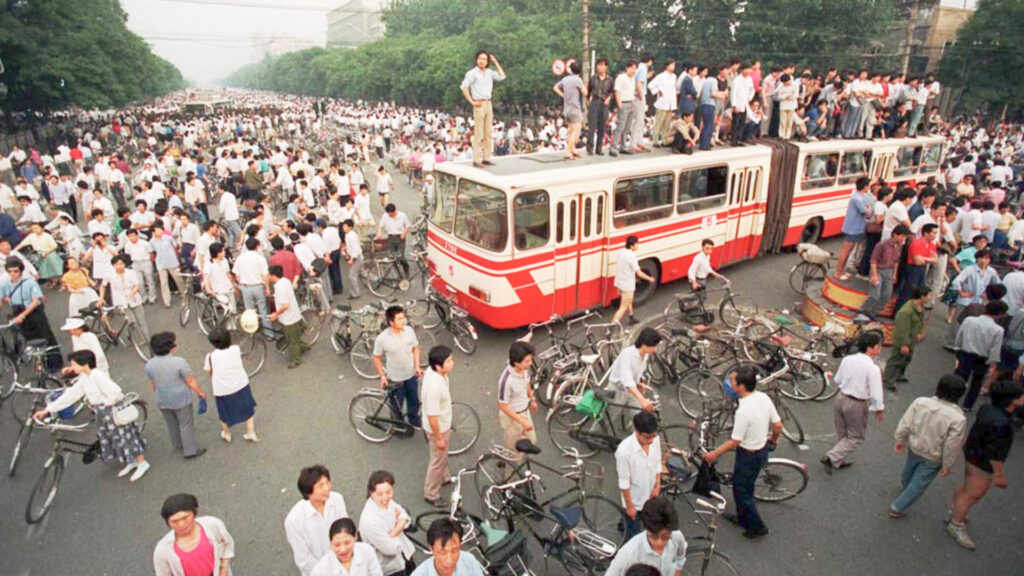
In the film, the Democracy Movement of 1989 stands in direct opposition to the Cultural Revolution. What began as a student protest in Beijing soon grew into a sweeping movement uniting people of diverse social backgrounds. The first spontaneous mass movement outside party structures, it showed initial signs of a possible civil society that would not be able to germinate until after Mao’s death. The violent suppression by the People’s Army was a clear sign from the regime that the protest was not welcome and that public criticism of the Party would not be tolerated – a condition that continues to this day.